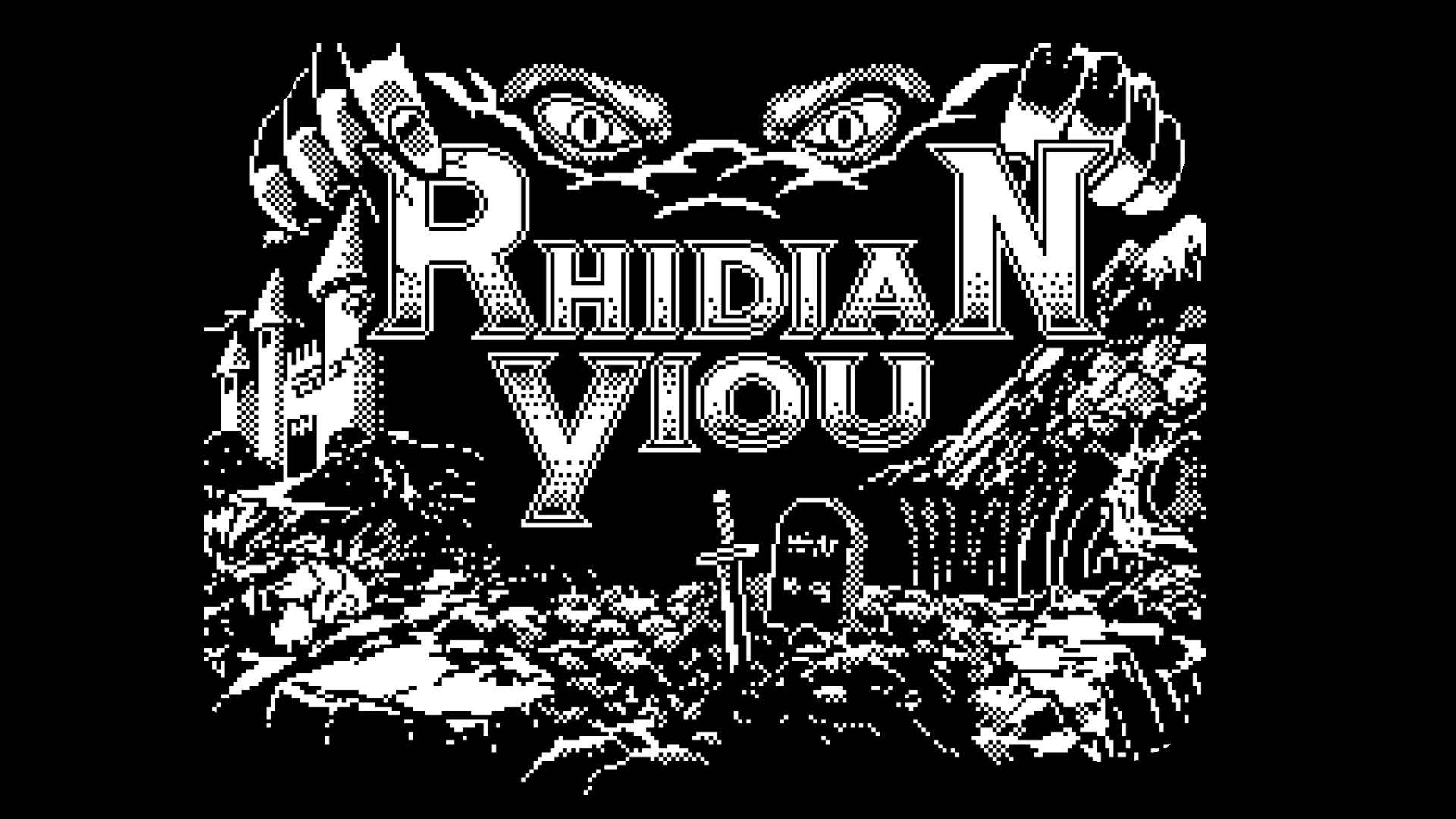
Rhidian Yiou
Rhidian Yiou
A retro pixel art top-down RPG.
Name: Rhidian Yiou
Developer: Client
Period: Mar 2026 - Apr 2026
Technologies: Unity, C#, Github
Synopsis: Rhidian You takes you on a classic fantasy RPG adventure set in an era of kings, magic and dark creatures. Explore a world full of secrets, traps and twisted realities.
Genre & Tags: RPG, Pixel Art, Top-down
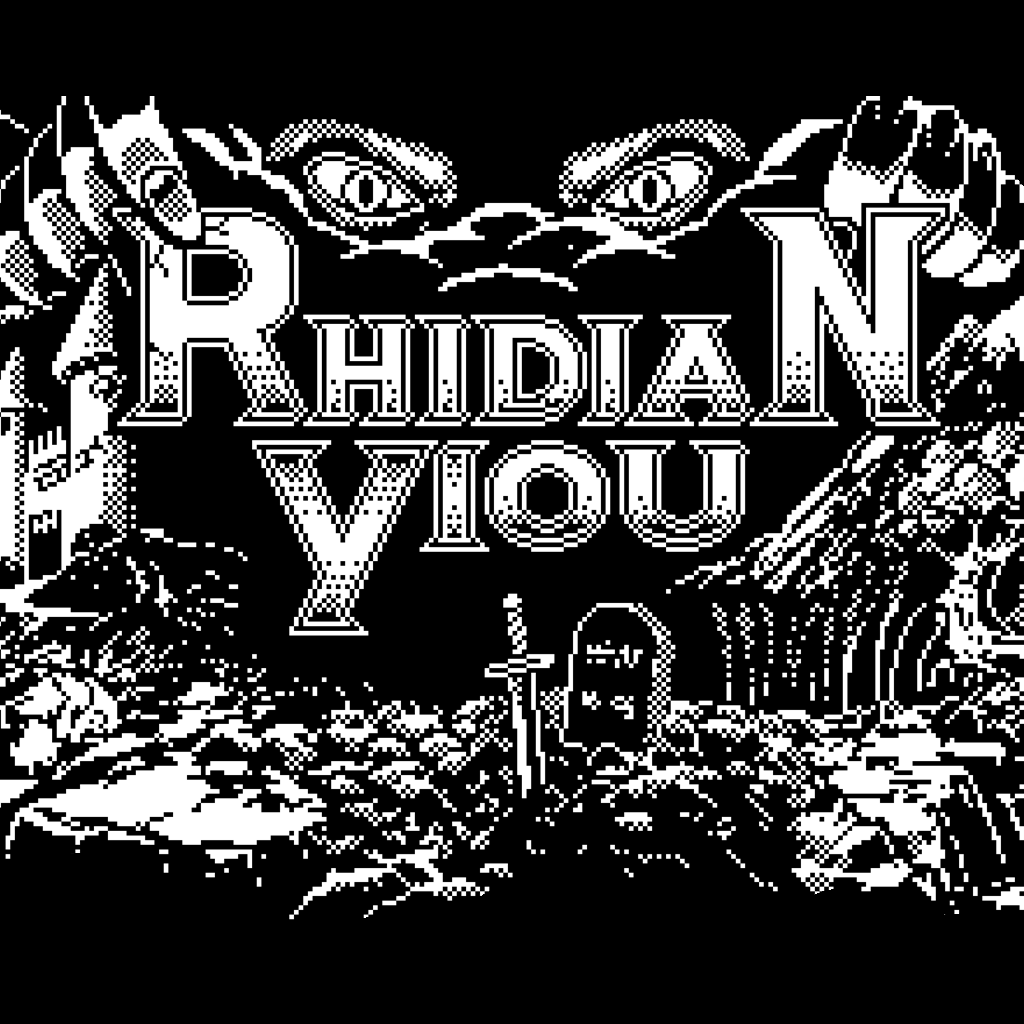
System that moves the character across the world grid, giving the developer more control over where the player can access. It also processes player input by always prioritizing the latest input to determine movement.
Modular dialogue system based on ScriptableObjects that enables interactive conversations with branching paths based on player decisions. It includes support for section-based events and is centralized through a manager controlling UI and input.
Inventory system managing combat, world and mixed items. It includes an equipment system with weapons, armor and shields that modify player stats. It also supports passive items that affect the character while in the inventory.
Turn-based RPG combat system similar to Dragon Quest, featuring HP, MP and basic stats like strength, defense and agility. Although simple, it is structured to allow easy expansion of mechanics, skills and more complex behaviors in the future.
System that allows switching to a retro-style first-person view inspired by classics like Doom. The player explores maze-structured tunnels where navigation depends on directional choices. Incorrect turns result in being pushed out of the correct path, reinforcing exploration based on orientation and memory.
World enemy generation system defining which creatures can appear in each zone. It works through tilemap-painted cells that control spawn probability, sections and available enemies, allowing controlled and simple difficulty progression.
Centralized interaction system allowing the player to interact with NPCs and environmental elements such as shops, rest points and other interactive objects. Each interaction executes specific logic based on entity type through an interface.
Key-based flag system storing world state and activating or deactivating events depending on player progress. These keys control event spawning, environment changes and narrative progression dynamically and flexibly.
JSON-based save system persisting full player state. Data is stored in a static class (PlayerState) for easy runtime access. When saving, this data is transferred into a dedicated serializable structure (SavedValues), ensuring separation between gameplay logic and persistence layer.
Unity-integrated debug tool system allowing real-time modification of almost any game aspect, including player stats, inventory and event triggers. Designed to speed up testing and validate features without full gameplay flow.
On-screen keyboard system allowing players to enter their name in-game. It implements a retro-style interface controlled via input selection, adapted to the project’s visual style to maintain consistency.
I implemented systems from scratch, designing the architecture and developing it through to the polishing phase.